



David M. Harlan, MD
Co-Director, Diabetes Center of Excellence and The William and Doris Krupp Professor of Medicine at UMass Chan Medical School
Director, Breakthrough T1D Barbara Dewey Cammett Center of Excellence in New England
Diabetes Care
While chief of the Diabetes Division at UMass Memorial, Dr. Harlan increased volume and significantly improved the level of care in the adult diabetes clinic. He leads by example and strives to improve care delivery systems. Dr. Harlan's patients benefited from his extensive knowledge of the disease and his ability to listen to each individual and work with them to develop a diabetes management plan. He believes that the person living with diabetes is the most critical member of their care team.
Type 1 Diabetes Research
Over the past 40 years as a physician-scientist, Dr. Harlan has led basic and clinical research exploring the pathophysiology of diabetes. His current clinical studies are testing new therapies and investigating human biology related to diabetes and its treatment. Specifically, genetically modifying stem cell-derived pancreatic islets that can be transplanted into people with type 1 diabetes, without the need for immunosuppressant drugs.
In the News
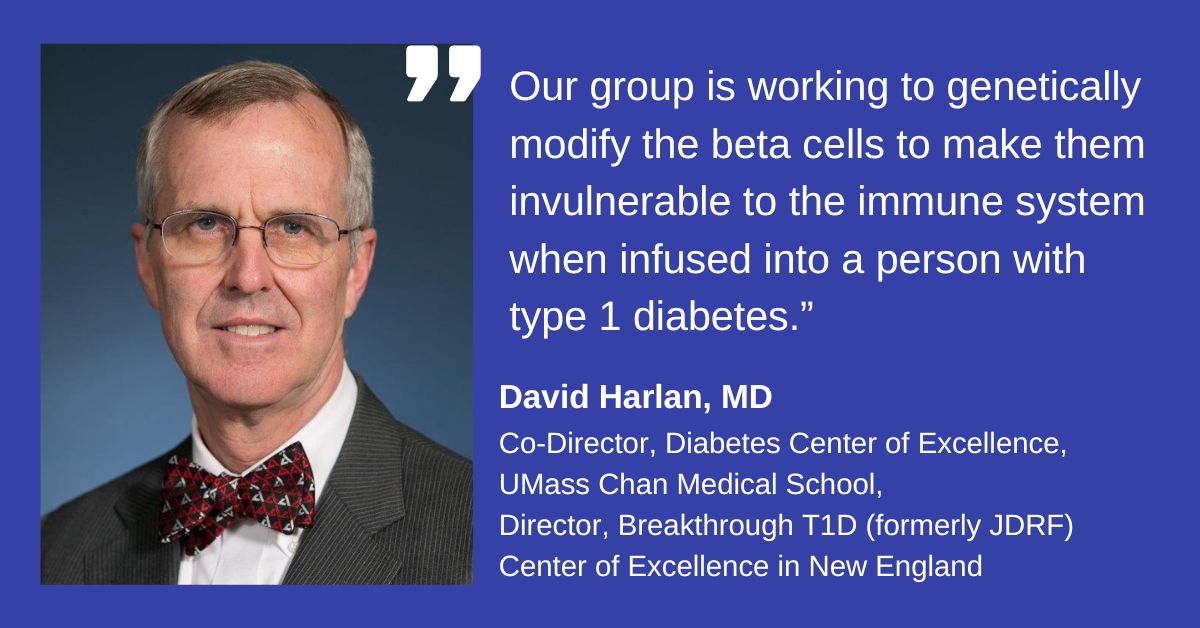
JDRF Appoints Dr. David Harlan to Lead a New England Research Collaboration

Dr. Harlan's professional passion became personal when his son was diagnosed with Type 1 diabetes, as mentioned in this Spectrum News coverage of the JDRF (now Breakthrough T1D) appointing him as Director of their New England Center of Excellence.
Additional News Coverage

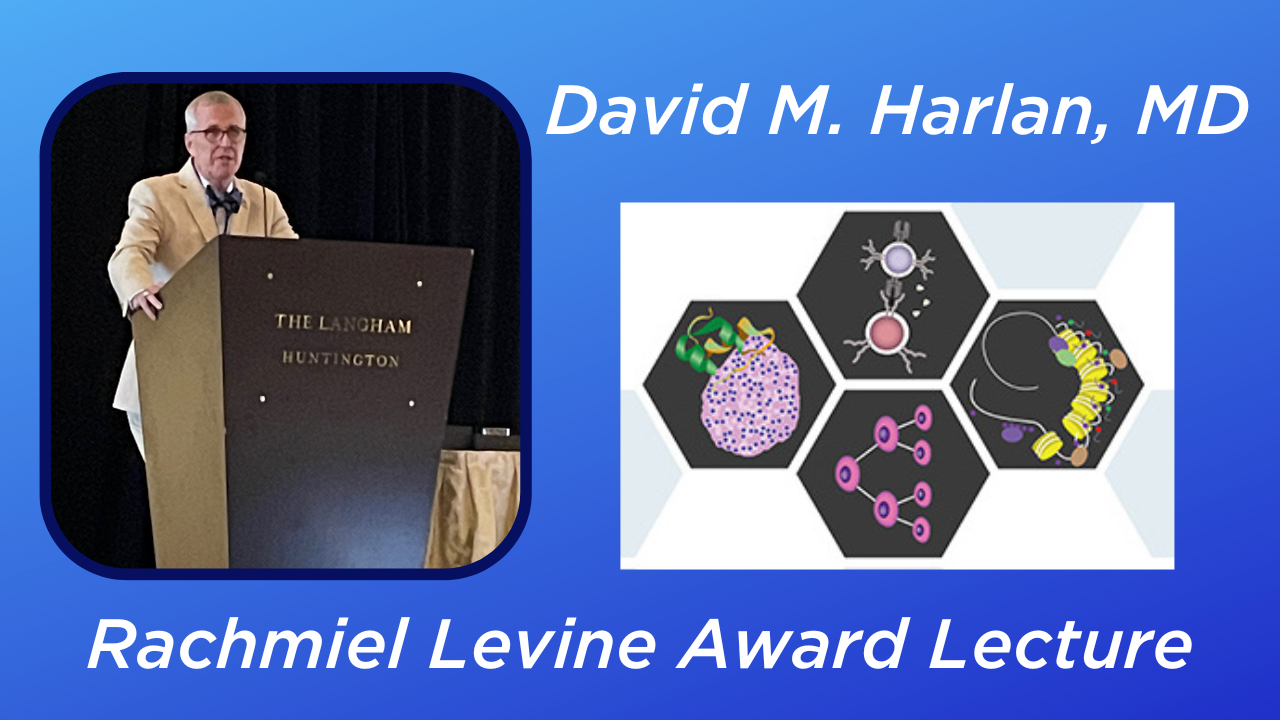
Rachmiel Levine Award | City of Hope Levine-Riggs Diabetes Research Symposium
HLA Class II antigen processing and presentation pathway components demonstrated by transcriptome and protein analyses of beta cells from donors with type 1 diabetes
We resolved a three-decades-long debate by definitively showing that beta cells express these important immune pathway gene products
T1D Pathogenesis: Lessons Learned & Forgotten and Open Questions

This talk highlights progress made in diabetes treatments, comparing old vs. new ideas, and challenges common assumptions & dogmas about Type 1 diabetes