

Type 1 Diabetes Research
The Kent lab focuses on understanding how the immune system attacks the insulin-producing beta cells of the pancreas in people with type 1 diabetes (T1D). By studying immune cells directly within pancreatic islets—the site where this damage occurs—our goal is to identify the mechanisms driving the autoimmune response and explore ways to prevent or stop it.
Autoreactive T Cells in Human T1D
A major focus of the lab is examining T cells that infiltrate pancreatic islets in individuals with T1D. These immune cells target beta cells and contribute to their destruction. By analyzing the range of targets recognized by these T cells—including newly identified modified epitopes produced during cellular stress—we have shown that islet-infiltrating T cells recognize a broad range of targets.
Many of these epitopes are modified by enzymes or other cellular processes that may be activated during cellular stress. Understanding the phenotype and functional behavior of these T cells helps researchers define the breadth of the immune response and provides critical insights for designing therapies that could dampen or redirect the autoimmune attack.
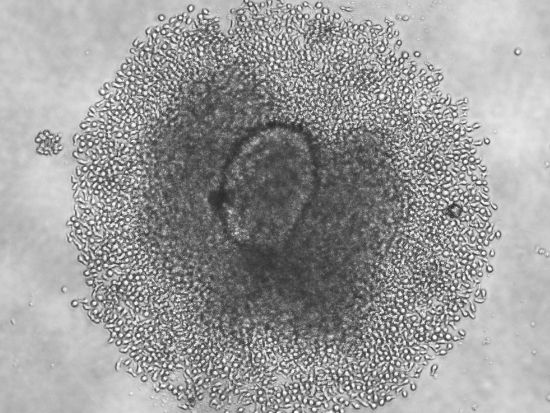
Photo credit: Megan DeNicola
Babon et al., Nature Medicine, 2016
Inducing Immune Tolerance
Our lab collaborates with other investigators exploring strategies to suppress harmful immune responses in T1D. One promising approach involves presenting T-cell targets (epitopes) to immune cells in a way that promotes tolerance rather than activation. By testing these approaches with islet-derived T cells from donors with T1D, researchers can evaluate potential strategies to retrain the immune system and protect beta cells.
Investigating Viral Triggers
Environmental factors may contribute to the development or progression of T1D. The lab participates in the international Network for Pancreatic Organ Donors with Diabetes (nPOD) Viral Working Group, studying whether exposure to enteroviruses may play a role in triggering the disease.
Researchers analyze immune responses in pancreatic tissue and nearby lymph nodes from organ donors with and without diabetes to look for evidence of viral involvement.