

Junior Faculty Development Program celebrates 28 graduates
Read more




RESEARCH NEWS
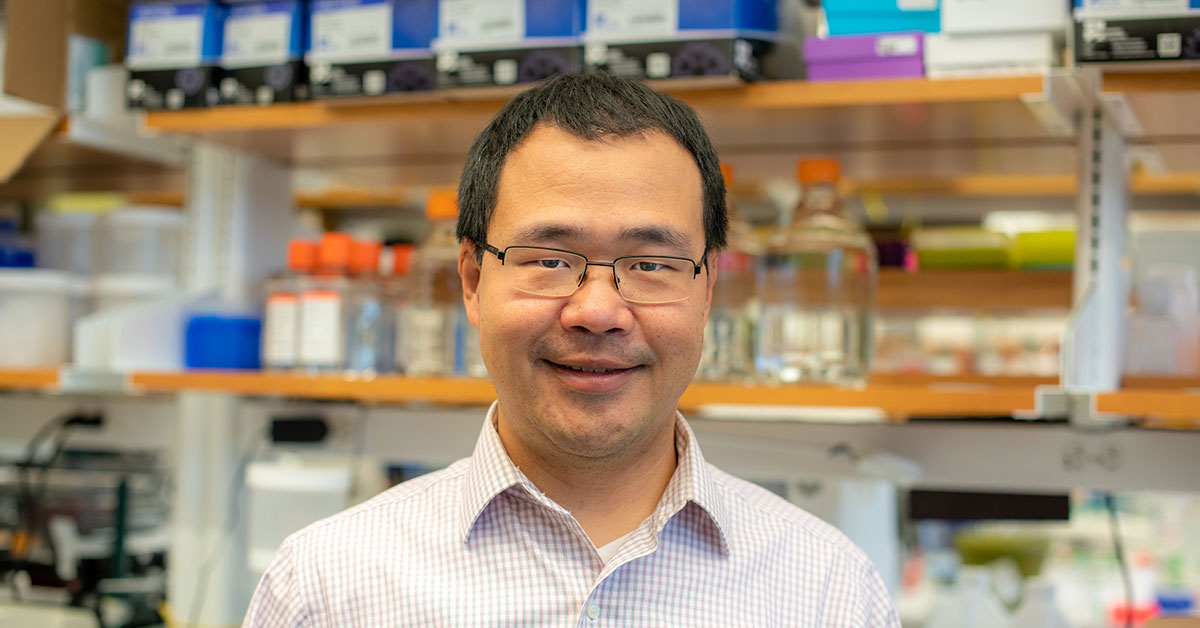
Dr. Wen Xue at the RNA Therapeutics Institute at University of Massachusetts Chan Medical School and Dr. Daniel Anderson at MIT have designed a new type of nanoparticle that can be administered to the lungs, where it can deliver messenger RNA (mRNA) encoding useful proteins.
Read more
RESEARCH NEWS
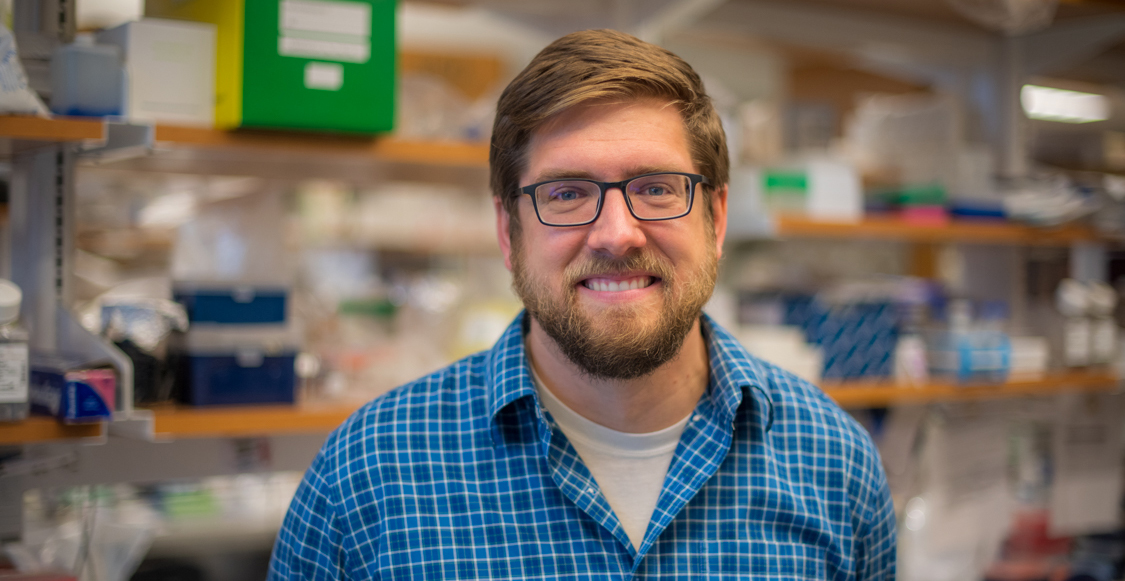
From made-to-order genetic therapies to model organisms engineered to be ‘patient avatars’, the technology exists right now to save patients with rare diseases. Jonathan K. Watts, Ph.D., Professor, RTI, UMass Chan Medical School, weighs in on the latest N-of-1 landscape.
Read more
RESEARCH NEWS
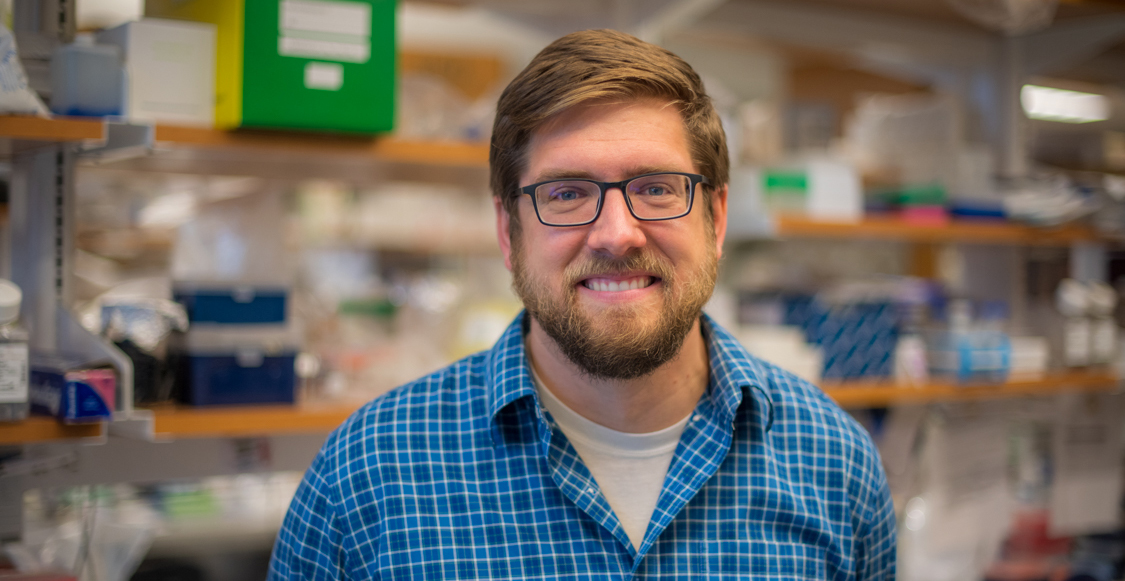
EnPlusOne Biosciences, Inc., a biotechnology company harnessing the power of enzymes to synthesize RNA oligonucleotides, announced that Jonathan K. Watts, Ph.D., Professor, RTI, UMass Chan Medical School, has been appointed to the company’s Scientific Advisory Board.
Read more
RESEARCH NEWS
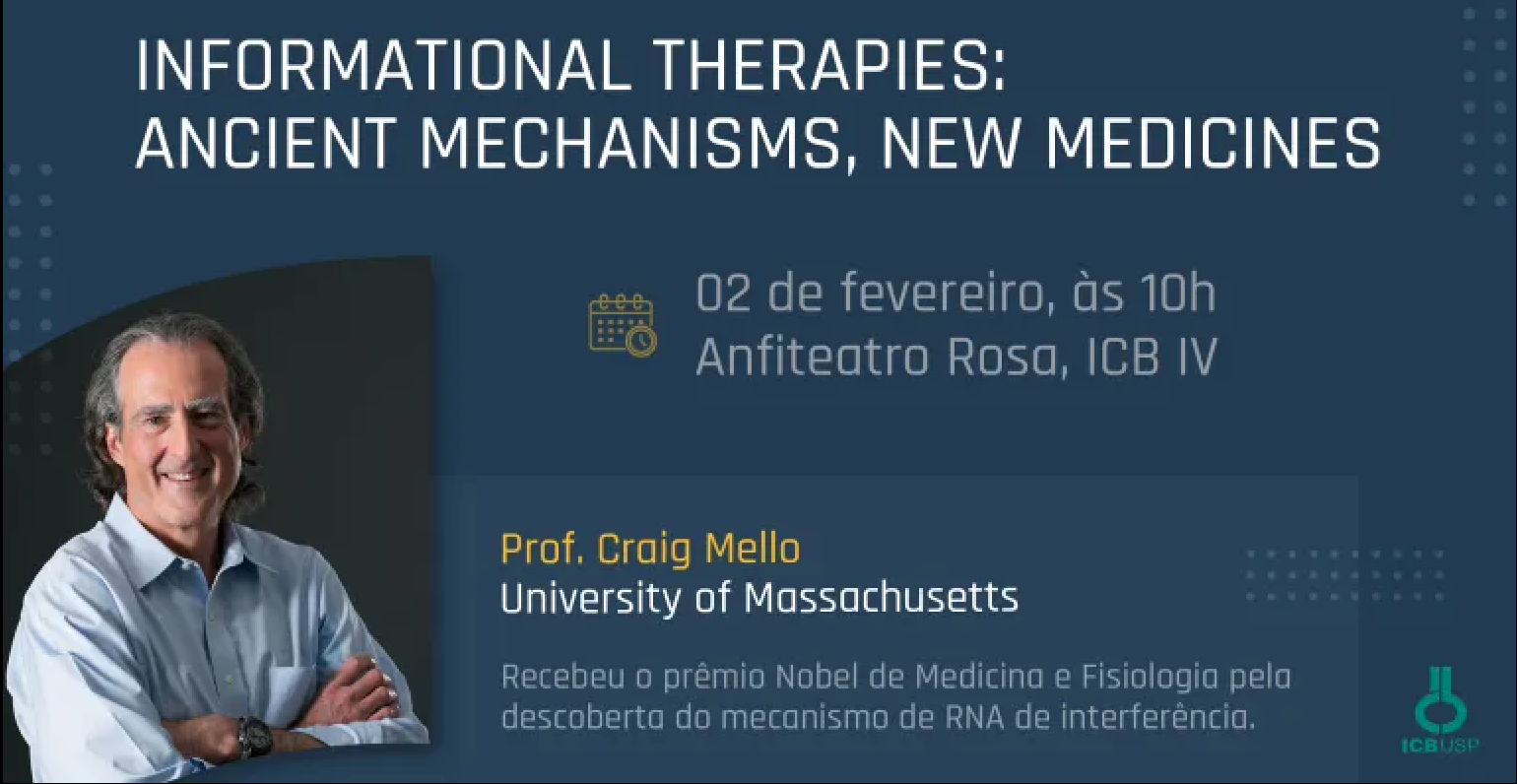
“The good thing about science? It’s that it takes you places you never thought you’d see.” So goes one of Craig Mello’s sayings, who won the Nobel Prize in Medicine for the discovery of RNA interference along with his colleague Andrew Fire.
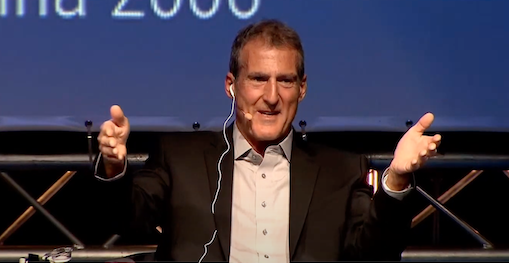
Watch Craig's seminar on Informational Therapies: Ancient Mechanisms, New Medicines
RESEARCH NEWS
“The good thing about science? It’s that it takes you places you never thought you’d see.” So goes one of Craig Mello’s sayings, who won the Nobel Prize in Medicine for the discovery of RNA interference along with his colleague Andrew Fire.
Watch Craig's interview
RESEARCH NEWS
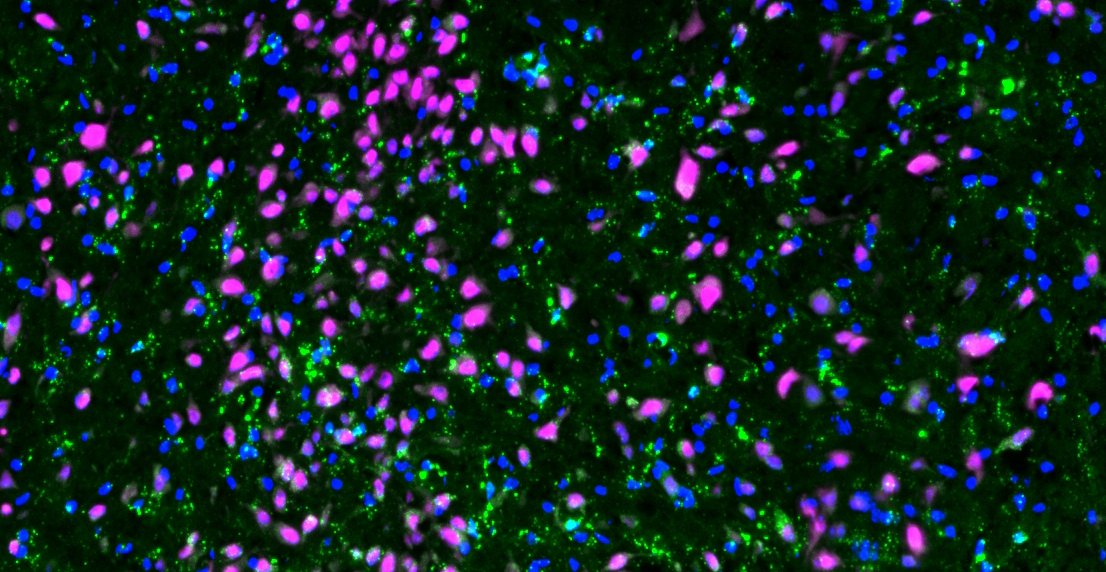
Researchers at the UMass Chan Medical School say they have safely used injections to suppress a mutant gene linked to ALS.
Watch WCVB Coverage
RESEARCH NEWS
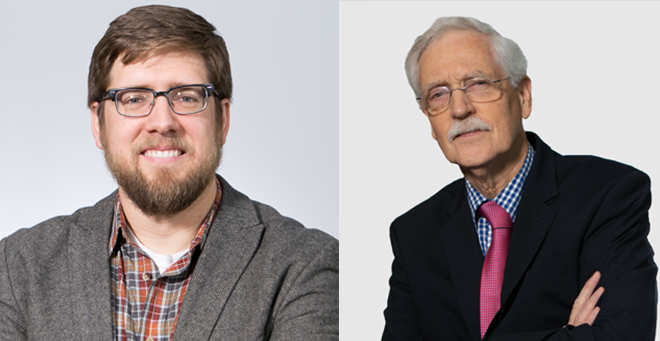
New research developed from studies at UMass Chan has the potential to revolutionize treatment options for people with ALS.
Read more from MassLIVE
OUTREACH NEWS
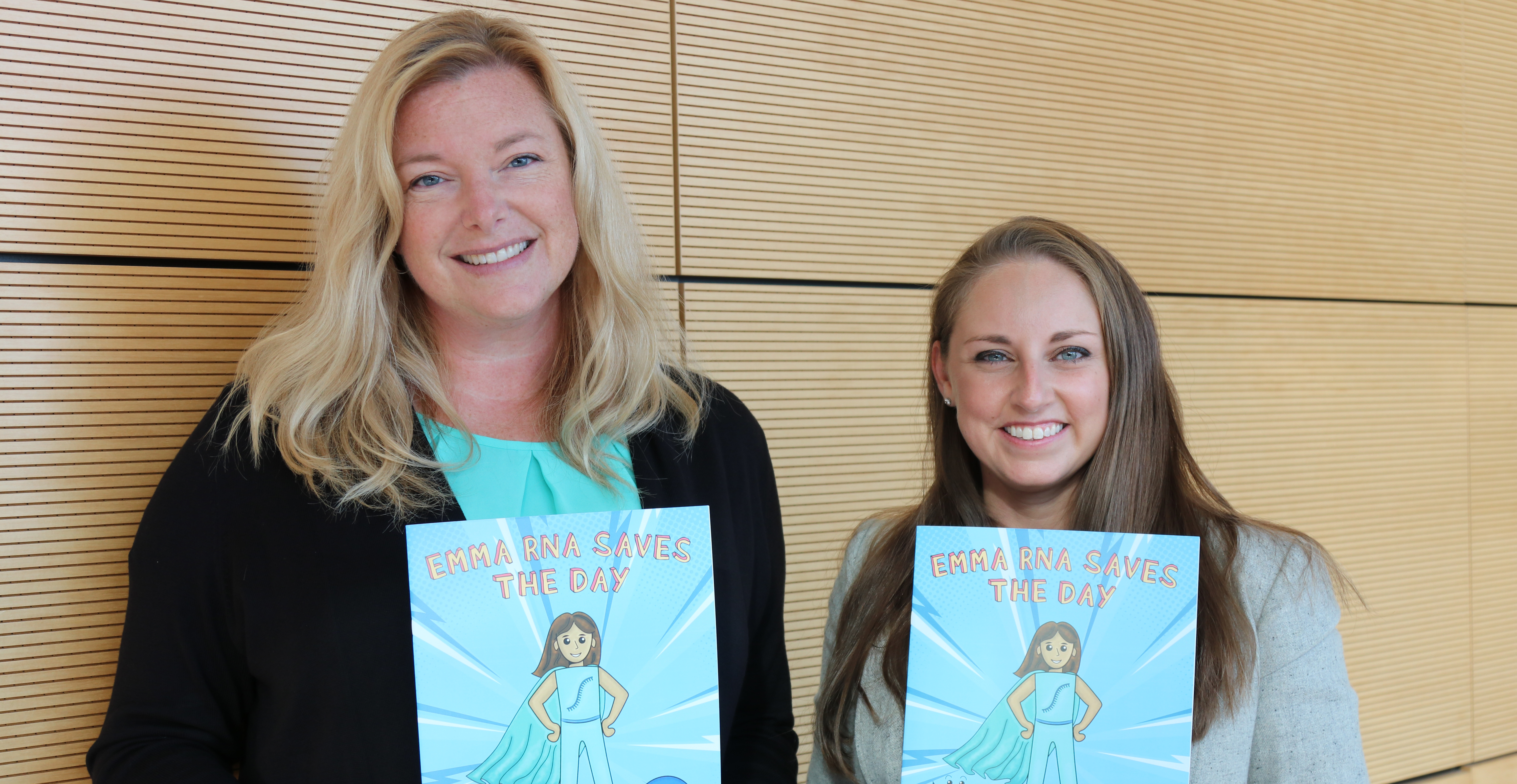
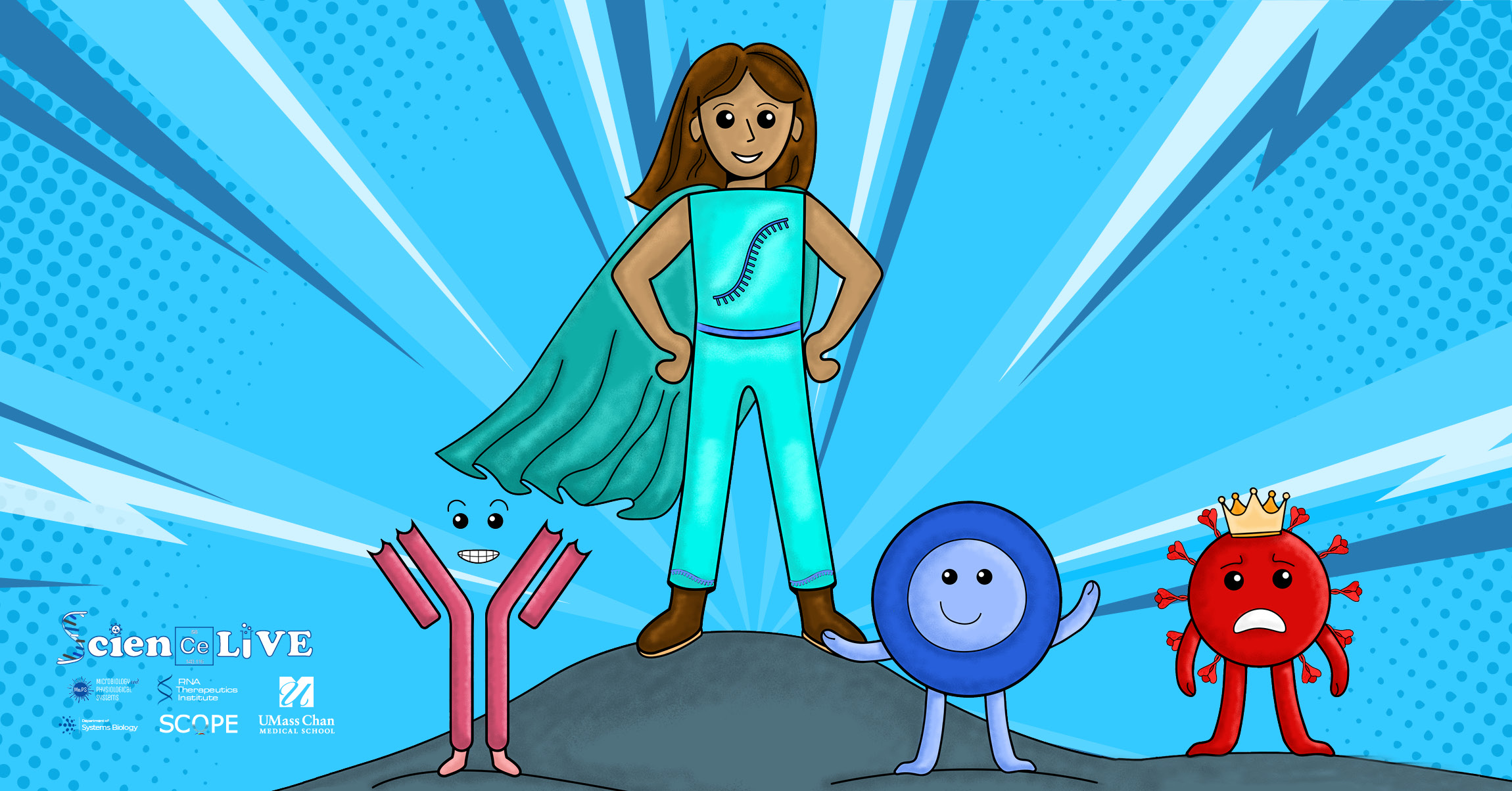
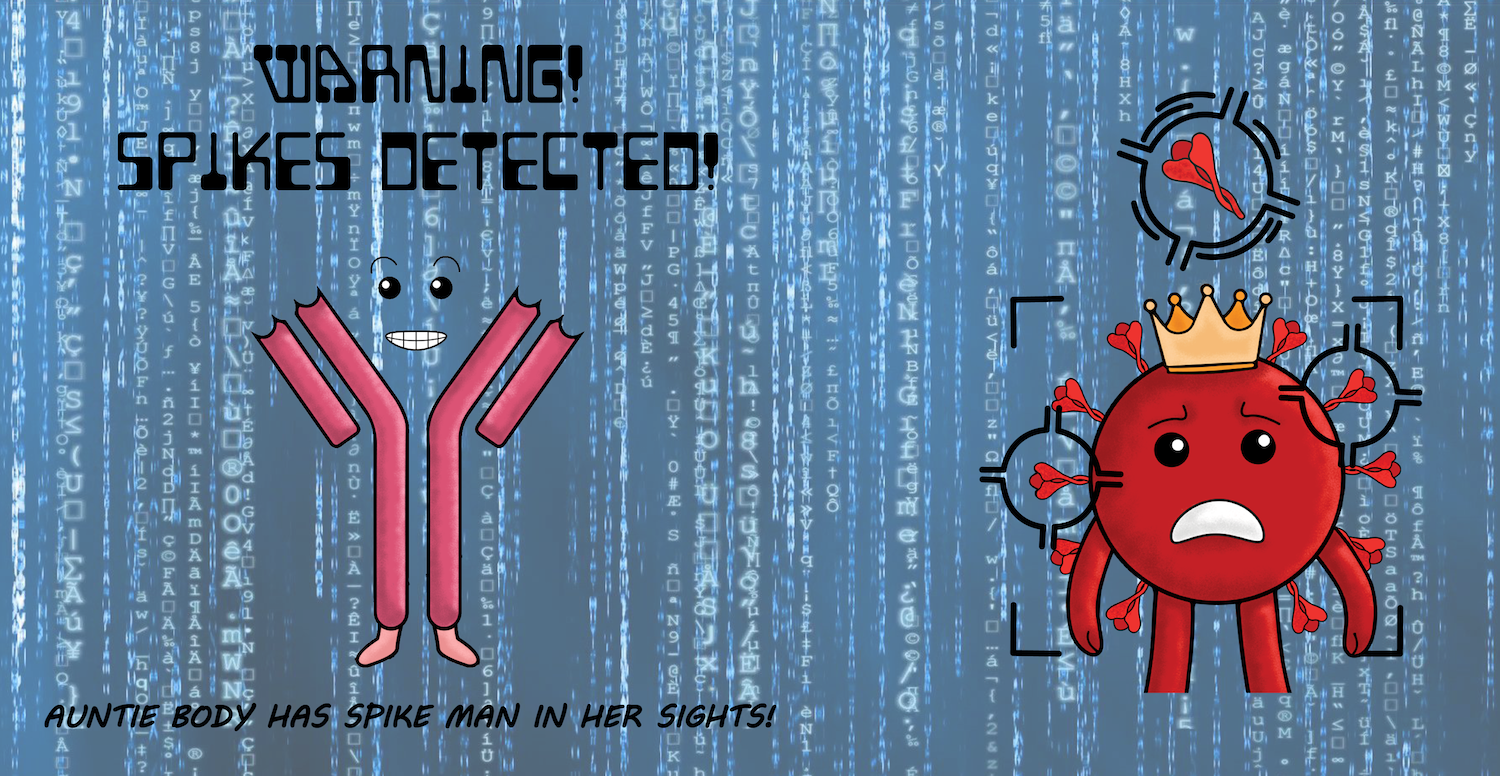
A new coloring book is helping kids draw clear lines between COVID-19 and the vaccines. Download or request coloring book.
Watch WCVB Channel 5 coverage
OUTREACH NEWS
WORCESTER — There’s a new comic book superhero in town and her mission is combating COVID-19 through education...and coloring. Download or request coloring book.
Read more from Worcester T&G
OUTREACH NEWS
A new coloring book is helping kids draw clear lines between COVID-19 and the vaccines. Download or request coloring book.
Watch Spectrum News coverage
RESEARCH NEWS
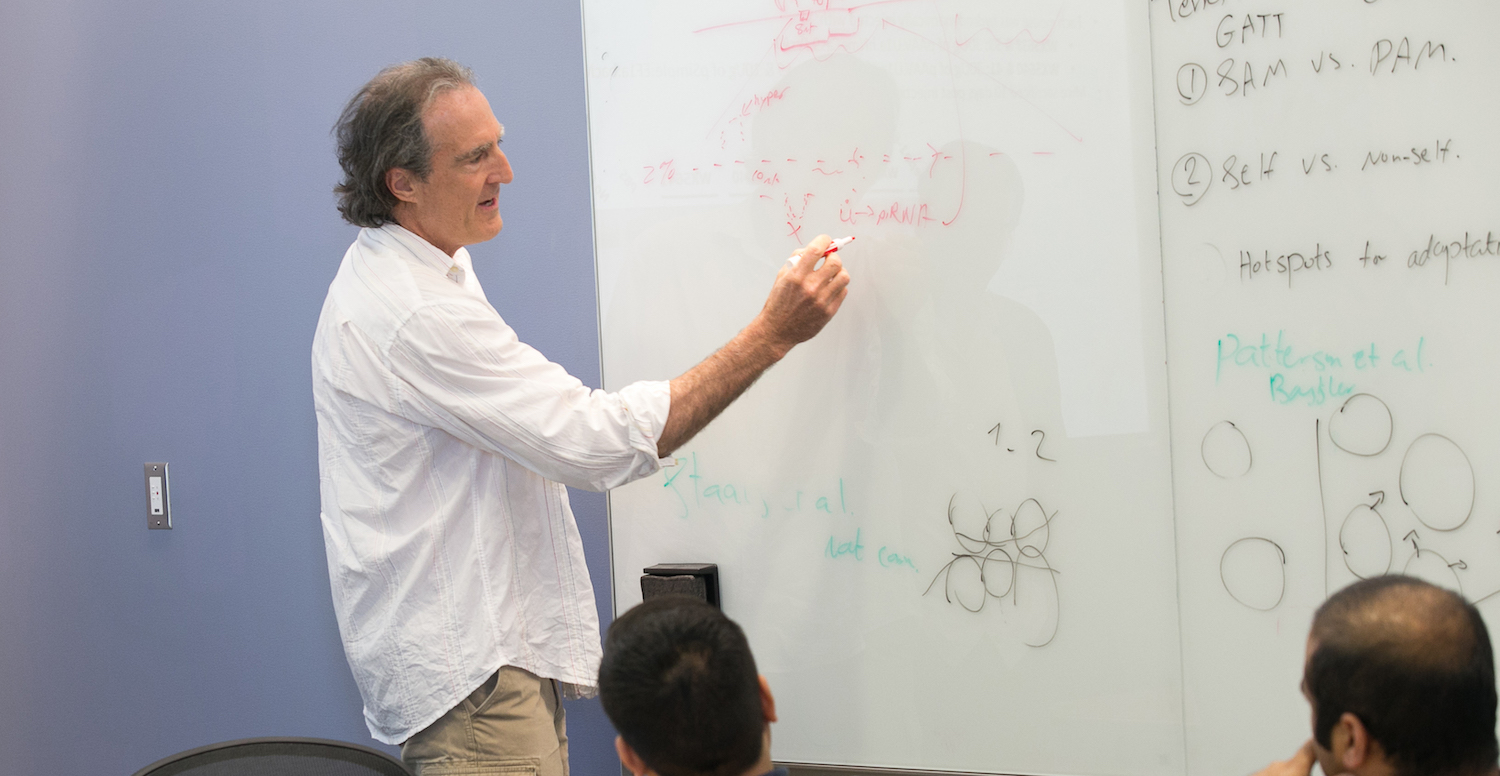
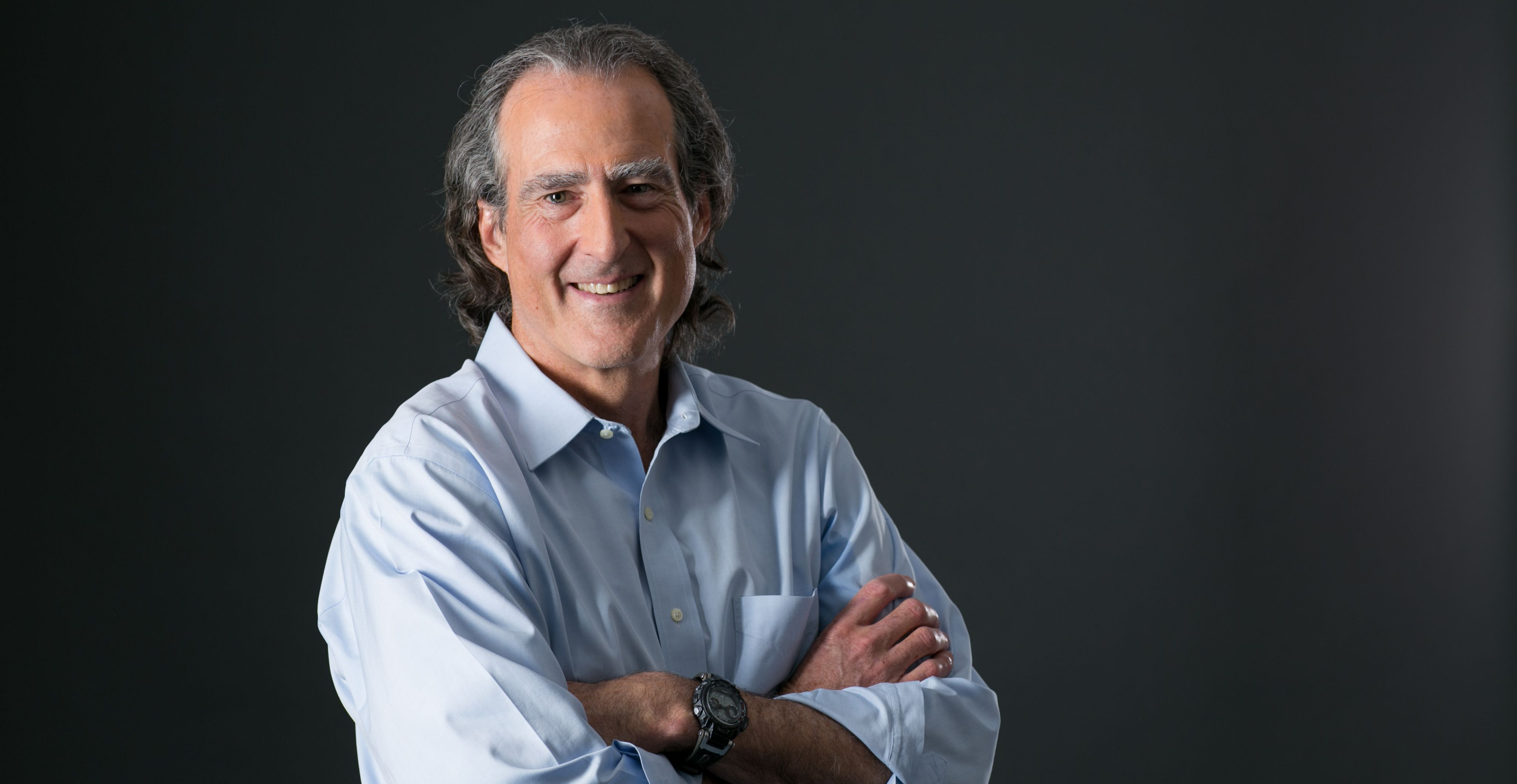
Craig Mello is a Nobel Laureate, co-founder of Atalanta Therapeutics, and a professor at UMass Chan Medical School, where he runs the Mello Lab. Our conversation covers the lure of conspiracy theorists, the state of RNA therapeutics, and getting that call from the Nobel committee.
Listen here
RESEARCH NEWS
Many experts have hailed the fast development of COVID-19 vaccines as a miracle of modern medicine. The science behind it could pave the way to revolutionary treatments for a number of crippling diseases.
Watch WBZ coverage